

Carhartt’s In House Photographer, Andrew White
Q1: Name, age, where are you from, what format you like using, what are you currently working on if you are?
I’m Andrew White, turning 40 this month (Aquarius, if you’re into that). I’m from Santa Monica, California, and I’ve been based in Berlin since 2020. I shoot both digital and film, and my go-to film setup is 35mm on a Contax G2. Right now I’m working on a mix of commercial and editorial jobs.
Outside of work, I’m learning German, reading a lot, and spending as much time as I can outside. This summer I cycled across Spain and France with a few friends who are also photographers. My brother was in Berlin for almost three months helping out on shoots while learning to digitech. I’m slowly trying to get my family to spend more time in Europe. I play board games with friends, and I’ve got a two-year-old lurcher named Cosmo who keeps me company through the Berlin winter.
Q2: What about your surroundings/environments and upbringing interested you?
I grew up in the greater LA area in the 90s and 2000s. My parents were boomers who'd lived through the cultural revolution of the 60s and 70s. Gen X had grunge and this deep disillusionment - they'd inherited a world that didn't deliver on the promises. My generation grew up with a different kind of optimism, raised on boomer ideals that things could get better, that progress was inevitable. By the time we were entering adolescence, that energy had been absorbed and repackaged. Mainstream culture felt manufactured - MTV, boy bands, reality TV. Consumerism was everywhere - the mall as gathering place, brands as identity markers. The Bush/Gore election, 9/11, the atmosphere after - it wasn't just one thing, it was watching systems reveal themselves as broken or hollow. My parents got divorced when I was 10, which probably added to that sense that the structures around me - even marriage - weren't as solid as they seemed. It made you want to find something real instead of something sold to you.
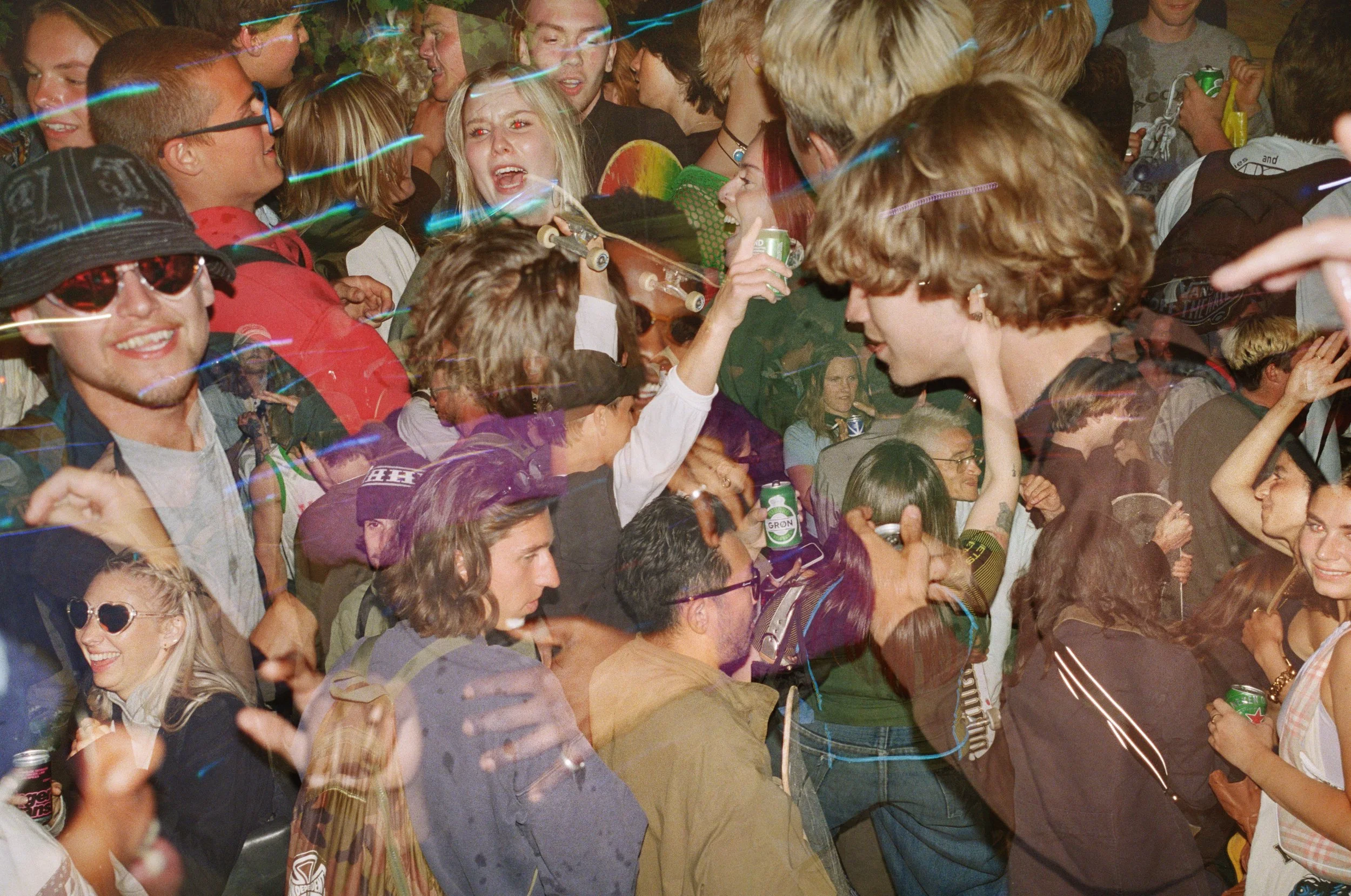
I was searching for identity. I had a best friend who lived on my street and we went through that together - skateboarding around 12, punk shows by 15. LA was the birthplace of skateboarding and had real scenes you could be part of. My mom drove us to see bands like NOFX, Lagwagon, Anti-Flag, and Bad Religion despite her obvious hesitations. Experiencing a mosh pit for the first time was kinda transcendent. He eventually grew out of it. I didn't. At 19 I got into graffiti - late night car rides, tagging up the city, just being a bit of a menace. Activities you really couldn't get away with in today's surveilled world. Got arrested a couple times, luckily walked out without a record. Turned out I wanted to be seen, and getting a byline in the paper got a lot more eyes than some shitty graffiti on the PCH.
Skateboarding got me out exploring the city, and it came with its own documentation culture - every session got filmed, tricks and slams and everything in between. I was learning visual language without knowing it. Punk eventually led me to indie music and the scene that came with it. I started shooting shows at smaller LA venues for local blogs - a lot of it unpaid since the blogs were small. Hypebeast started paying me to cover events and art openings. The rates were tiny but it felt validating.
Q3: When was the first time you met photography? How did you feel when you met it?
I grew up around photography without really thinking about it as photography. My dad shot stock photography through the 80s and early 90s, mostly for textbooks. My brother Mike and I would scout models for him - mostly our friends - and we ended up in some textbooks from the mid-90s as kids. Road trips always meant a Funsaver in hand. We weren't taking it seriously - lots of out-of-focus photos of our stuffed animals, flash bouncing off closed car windows at night. Nothing came out, but we were documenting what mattered to us.
I actually won my first photo contest in second grade for a photo I took while we were on a family vacation at Canyon de Chelly - a national monument in northeastern Arizona on Navajo land. They bumped me to second place because they suspected my dad, the professional photographer, had actually taken it. I didn't think much about it at the time. Looking back, maybe I should have paid more attention.
It was actually my mom who got me my first DSLR for my 23rd birthday - a Canon Rebel T1i for those who are curious. She saw how passionate I was about it.
Q4: Tell us about current projects you have been working on (could be any, or just work you have been doing in general). Is this story inspired out of personal reasons, or others? What are you most excited about in these projects?
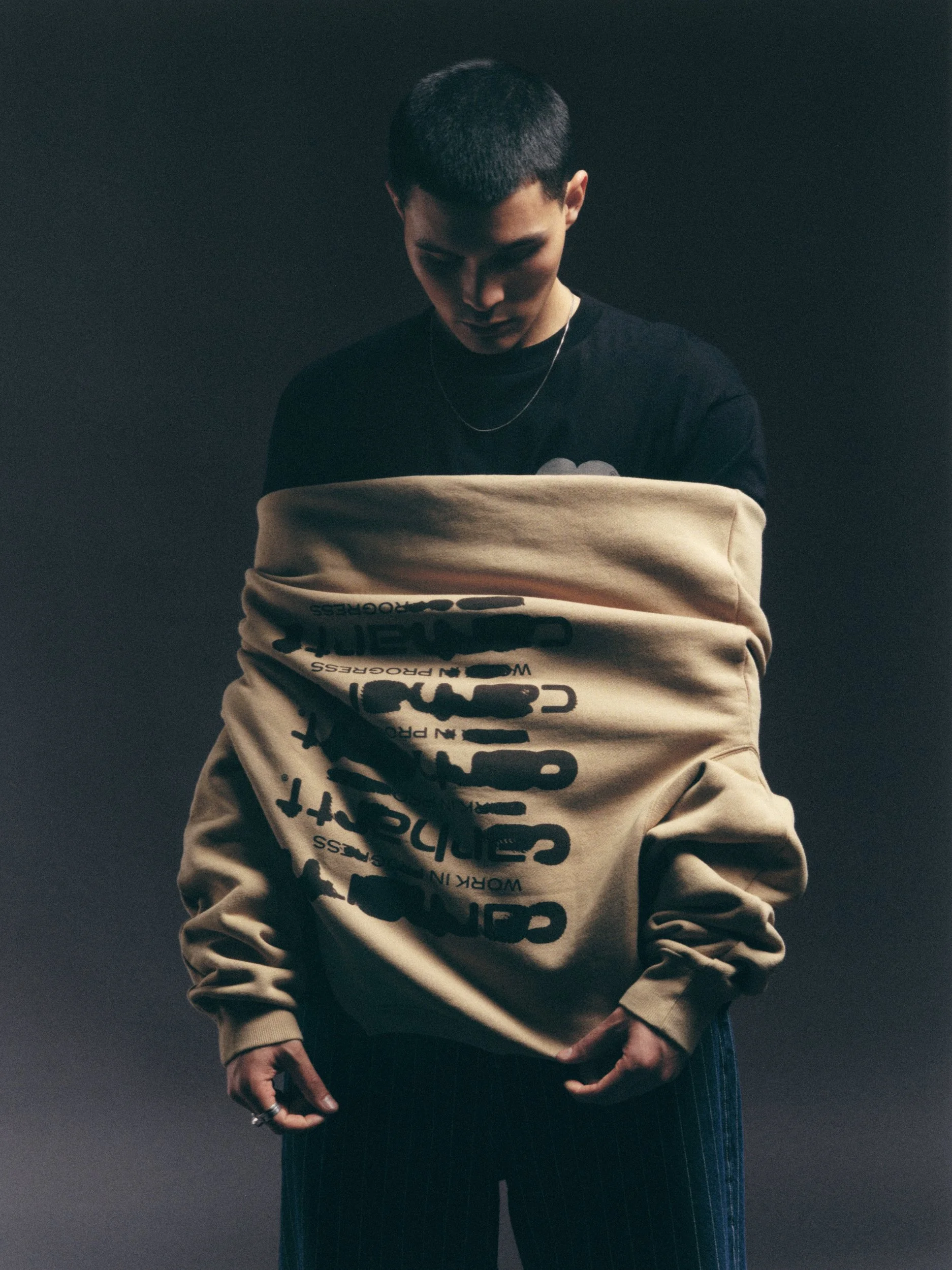
I started working with Carhartt WIP less than a year after moving to Berlin. It's become a significant part of what I do here - campaigns, lookbooks, and photo stories on people shaping the city's cultural landscape. What I love about it is that it's introduced me to so many people doing interesting things. Berlin feels like a village - there are constant crossovers between friends, old friends, creatives. The work has grown the community I feel a part of here.
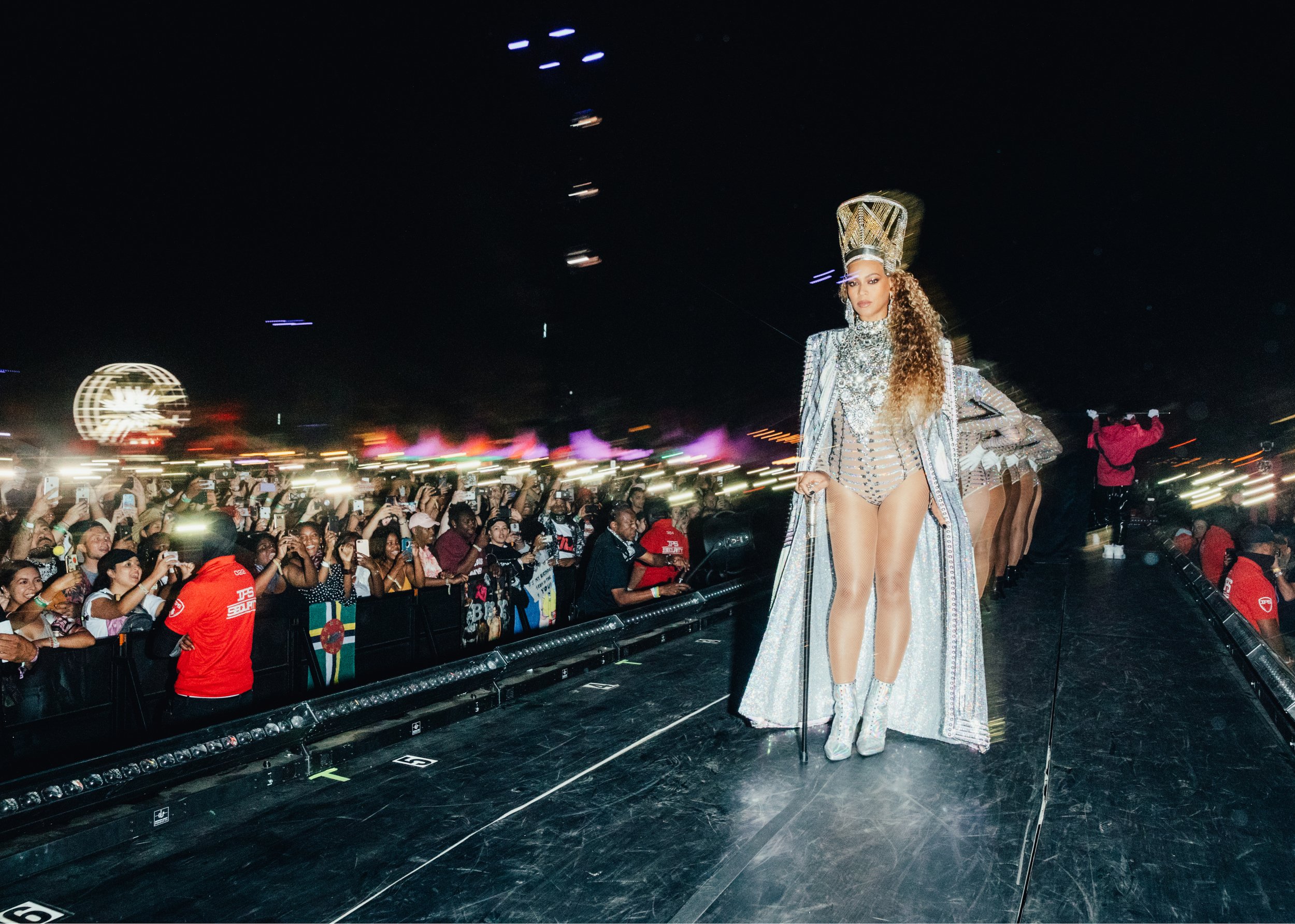
This past summer I was back on tour with Beyoncé photographing her Cowboy Carter shows across Europe, and I shot a couple dates on Nine Inch Nails' European run. I've been shooting for Beyoncé since 2016, and at this point there's real trust and community built into that work. I've also photographed the past two Super Bowl halftime shows - I think I can name 2 or 3 NFL players, but the access still feels absurd.
Beyond that, I work with The New York Times, Der Spiegel, Apple Music, MAAP, and other clients through my agency Cascade.
Q5: You have an incredible portfolio and work experience. What career advice can you give to aspiring assignment photographers to get active work?
I appreciate the kind words. Find people doing work you respect and reach out. In 2009 the director of a music video for an indie band that I'd edited connected me with Bryan Derballa, a working photojournalist in NYC who ran a photo blog called Lovebryan. He'd made the move to New York a few years before and was in the midst of a budding career. He was someone doing what I wanted to do. Bryan gave me real feedback and told me to get out of LA. He suggested I look into the International Center of Photography. He also connected me with Philip Montgomery, who'd recently completed ICP and was working as a photographer in New York. Seeing someone just a few steps ahead made it feel possible.
I took whatever work I could get. Assisted with beauty and fashion photographer Ben Ritter for almost three years. Learned a ton from him on the job and on our drives to and from New Jersey. Did video editing, camera operating, and shot tons of branded events. In 2013 Vice hired me to shoot 10 days of concerts at SXSW - didn't pay much, but I built connections and a real body of concert work. That portfolio helped me get hired by Beyoncé's team a few years later.
Be disciplined about getting your work in front of the right people. Look up mastheads, reach out to photo editors and art directors. Be persistent. Follow up. Get your work in front of people assigning jobs. If you're trying to go the newspaper route, you basically have to send out 10-20 emails every Monday letting them know you're around and available for shoots.
Eventually you have to choose and start saying no to work that pulls you in the wrong direction. When you do get assignments, treat them like they matter. Show up early, stay late, bring lights even if they don't ask. Don't phone it in.
Don't expect a straight line. I've shot concerts, photojournalism, editorial portraits, and commercial campaigns. I followed what I cared about - music, skateboarding, art, and culture. The zigzag makes sense looking back.
Be willing to move for your life, not just your career. Years after New York, I moved to Berlin. I'd visited a few times and had a German passport through my grandfather. The US was feeling increasingly unstable - though I didn't realize how dire things would get. Less than a year later I took an in-house position with Carhartt WIP. That was a pivot, but in hindsight it was the move. I'm freelance now but still work with them regularly. Sometimes opportunities show up when you're positioned somewhere that makes sense for you.
Q6: How did you find your visual literacy? Why are you attracted to certain images more than others?
I found it by making a lot of bad photographs and eventually figuring out what I was avoiding.
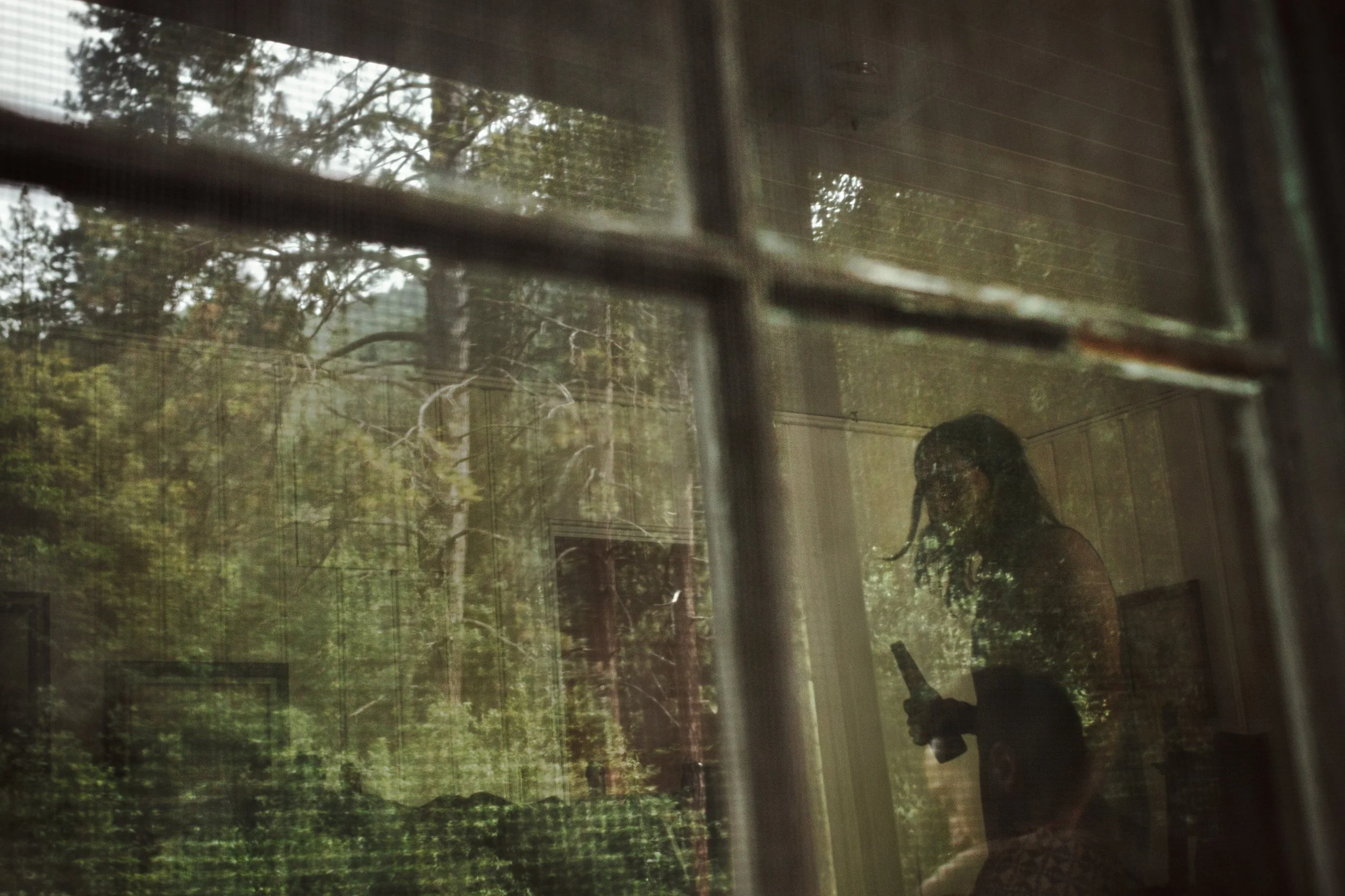
Early on Bryan Derballa told me to start a blog and photograph my own life. I made a Tumblr and posted small edits regularly, looking for what made the photos work together. I kept at it for a couple years and slowly started making better pictures. I spent that time documenting my friends - early-to-mid twenties skaters in LA trying to find their place in the world. That work got me into ICP. But looking back, the photos felt distant. Lots of profiles, silhouettes, backs of heads. Someone in class called it out - I was avoiding faces, avoiding eye contact. I realized I was scared to actually engage with people. I'd convinced myself I was being observational, a fly on the wall. Really I was just shy.
That approach carried over into my early editorial work. I got my first New York Times assignment in late 2013, and through 2014 I was mostly covering sports - the marathon, Westminster Dog Show, NFL Draft, Belmont Stakes. I tried to make them look different by finding unusual angles, layering objects in frames. But I was still just observing, never interrupting a scene. I didn't feel like I had the agency to direct anything.
Everything changed in 2015 with a portrait assignment for the business section of the Times - a car wash worker in Queens named Patricio Santiago who only spoke Spanish. I had to direct him using broken high school Spanish, work with natural light, figure out setups together. It forced me to collaborate, to communicate what I was trying to make. The photos were better. More than that, it was more exciting. There was actual connection instead of me watching from the outside. The Times started giving me more portrait work, and I realized the thing I'd been avoiding - or thought I wasn't allowed to do - was exactly what made the work feel alive.
Looking at other photographers helped - Matt Eich, Alex Welsh, Trent Parke, Nan Goldin. I was paying close attention to The Fader back then - it was a good place to see who was working and doing interesting things. My visual education was also influenced by years editing video - understanding how rhythm and sequence create feeling shaped how I shoot and sequence images.
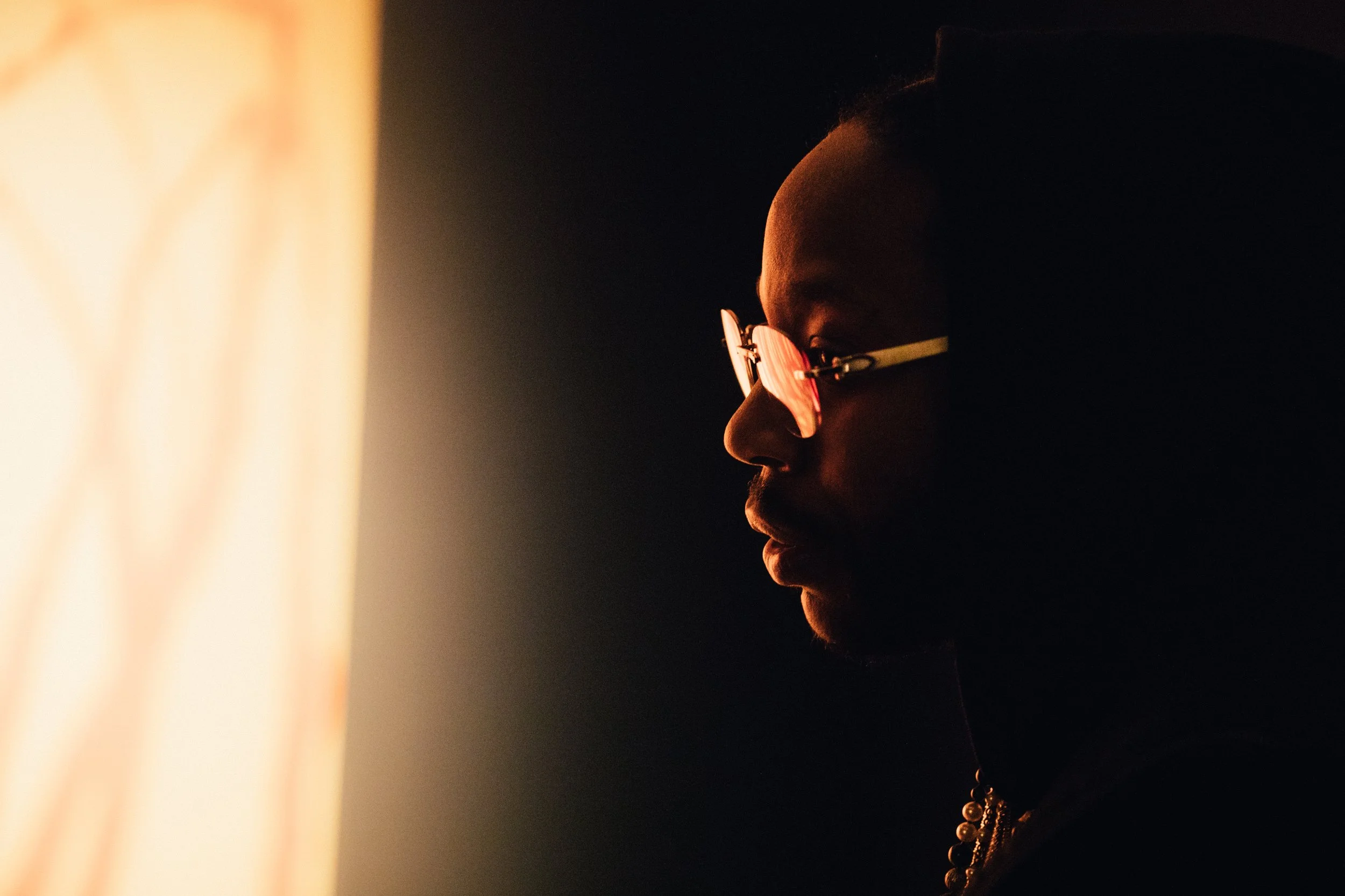
I'm drawn to images where I can feel the photographer's intention. Sometimes it's there, sometimes it's not.
Q7: Imagine meeting someone who is picking up a camera for the first time. What do you tell them?
Honestly? The landscape is tough right now. I'm turning 40 and if I was 25 today without an established career, I'm not sure I'd pick up a camera. AI is everywhere, no one knows what's real anymore, the industry has changed completely.
But every generation hears some version of that. When I was at ICP, everyone talked about how the good days were gone - no more $10,000 assignments from National Geographic, the industry was dying. To some extent that was true, but working photographers have always had to adapt. My generation had to learn digital and social media. This generation has to figure out AI, TikTok, vertical video - The New York Times now runs vertical video with most assigned work. It's just the reality. You can embrace the new tools or reject them, but you have to make that choice intentionally. Social media can be a black hole - I try to use Instagram intentionally, mostly just to post work, but it's easy to get sucked in. Some photographers I see getting assignments from the Times only shoot film - that's their answer, that's what's authentic to their practice. Figure out what works for you.
But I still nerd out on photography. I consume it, I find real joy in good work, especially photojournalism.
Shoot for a newspaper if you can - especially a small town paper. Newspapers force you to shoot everything: sports, portraits, events, breaking news. You find out what you're actually good at. And they're important. One thing that kept me grounded: newspapers don't let you retouch anything. You can tone an image, adjust color and contrast - basically anything you could do in a darkroom - but the essence of the photo has to stay untouched. That teaches you to engage with what's actually in front of you.
Not that newspaper photography is pure truth. Everything is subjective - your focal length, camera angle, the fact that you're there at all creates abstraction. But there's a difference between subjective perspective and manipulation. Shooting for papers teaches you to work with honest images, and it puts you face to face with real people's lives. Not aestheticized versions, not concepts - actual human experience. My work has moved far from that world, but it's still the foundation of everything I do.
Beyond that: shoot what you care about. Shoot what feels authentic to you. Don't get too caught up in what other people are doing - easier said than done, but try.
And read. Read lots of books, especially fiction. It took me years to become an avid reader, but it's one of the things I truly enjoy now. It's a break from the constant information overload of the internet, and it's a way to connect with friends who've read the same books. Reading makes you a better writer, a better communicator, and grows your vocabulary. I read nonfiction and long-form articles too, but fiction is where I find the most joy. Reading trains you to imagine, to previsualize, to feel. That matters as much as any technical skill.
Lastly, stick with it. Learn to take rejection - you'll get a lot of it. Don't take things personally. Most people are distracted and caught up in their own worlds, it's rarely about you. A healthy career takes years, but if you nurture it, it has the potential to sustain you - not just financially, but creatively, intellectually, and spiritually.