Home Away from Home with Hiba Dahibi هبة داهبي
- Name, age, where are you from, what format you like using, what are you currently working on if you are?
My name is Hiba, I'm 24 years old, I was born in Rabat and I'm currently based in Salé, Morocco. I mainly work with digital but my practice is also deeply rooted in image making in all its forms, I work across video and text as well.
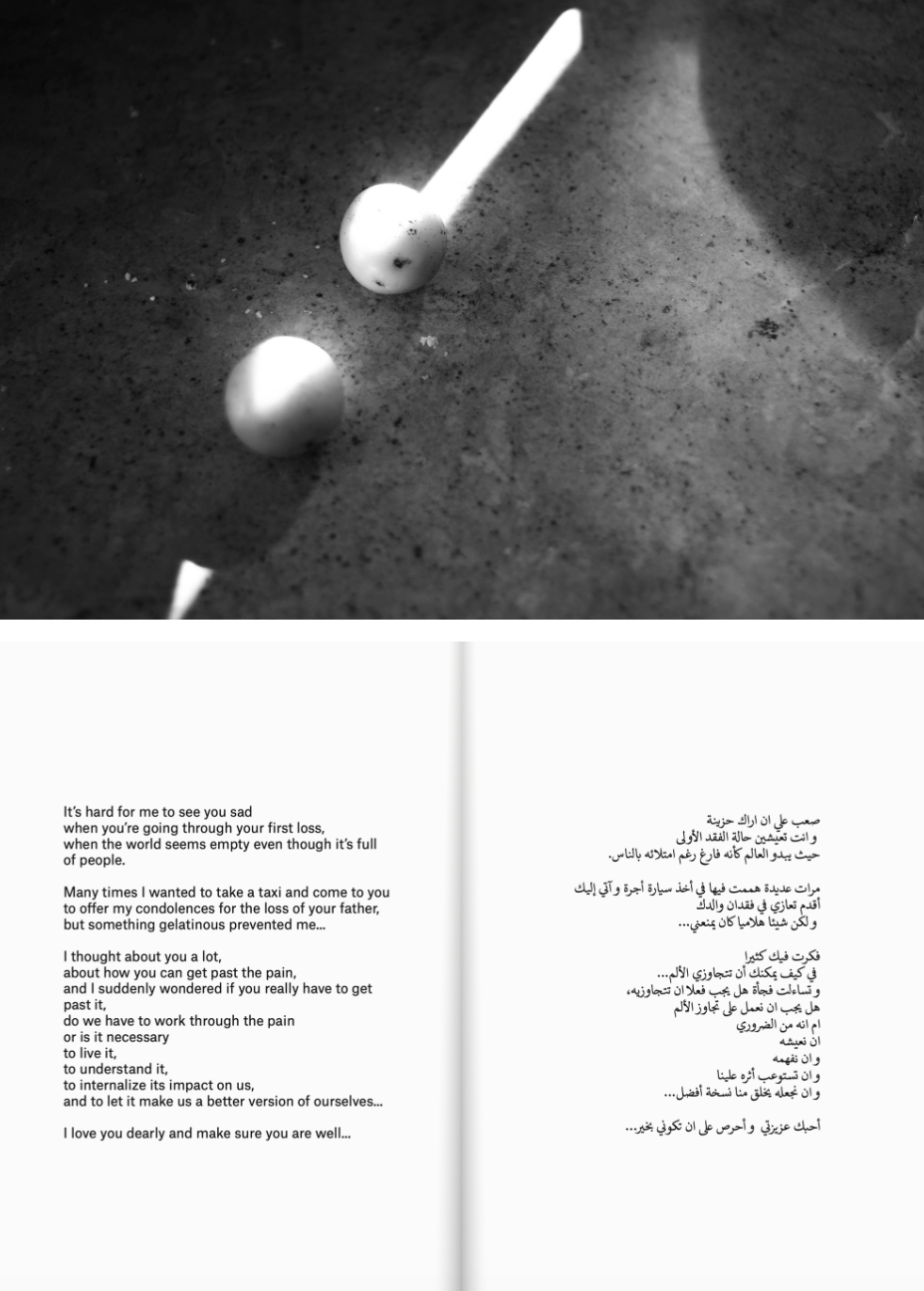
I'm currently working on a project I started last year after the passing of my father. It talks about grief, what it looks like visually, about how places hold memories long after a person is gone, and about how to live with a past in the present. It's kind of my only way of dealing with my father's absence, my way of holding on to him.
But in the midst of working on it, the thought of decay kept reappearing. I've been thinking a lot about decay, the feeling that things change regardless of their end. I've been thinking about that in terms of both humans and images, the shift that happens in between, and that is so often overlooked. The decay of thoughts, of feelings, and the need to hold on to every possible thing.
- الاسم، العمر، من أين أنتِ، ما هو الشكل الفني الذي تفضلين استخدامه، وما الذي تعملين عليه حالياً إن كنتِ تعملين؟
اسمي هبة، عمري 24 عاماً، ولدت في الرباط وأقيم حالياً في سلا بالمغرب. أعمل بشكل أساسي في المجال الرقمي، لكن ممارستي الفنية متجذرة أيضاً بعمق في صناعة الصور بجميع أشكالها، كما أعمل في مجالي الفيديو والنص أيضاً.
أعمل حالياً على مشروع بدأته العام الماضي بعد وفاة والدي. يتناول المشروع الحزن، وكيف يبدو بصرياً، وكيف تحتفظ الأماكن بالذكريات لفترة طويلة بعد رحيل الشخص، وكيفية التعايش مع الماضي في الحاضر. إنه نوعاً ما طريقتي الوحيدة للتعامل مع غياب والدي، وطريقتي للاحتفاظ به.
لكن أثناء العمل على هذا المشروع، ظلت فكرة التلاشي تتكرر في ذهني. لقد فكرت كثيراً في التلاشي، والشعور بأن الأشياء تتغير بغض النظر عن نهايتها. فكرت في ذلك من منظور البشر والصور على حد سواء، والتحول الذي يحدث بينهما، والذي غالباً ما يتم تجاهله. تلاشي الأفكار والمشاعر، والحاجة إلى التمسك بكل شيء ممكن.
- What about your surroundings/environments and upbringing interested you?
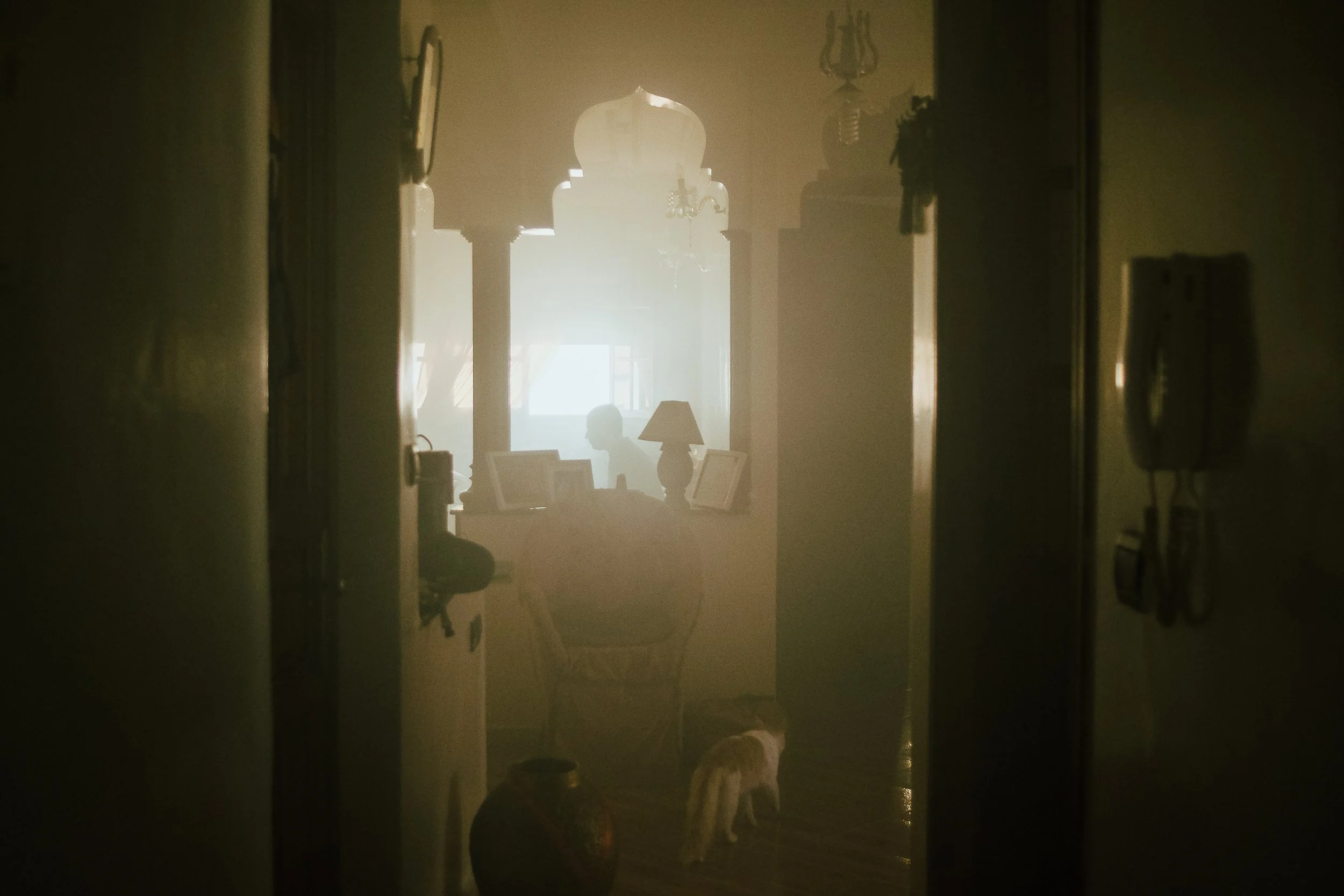
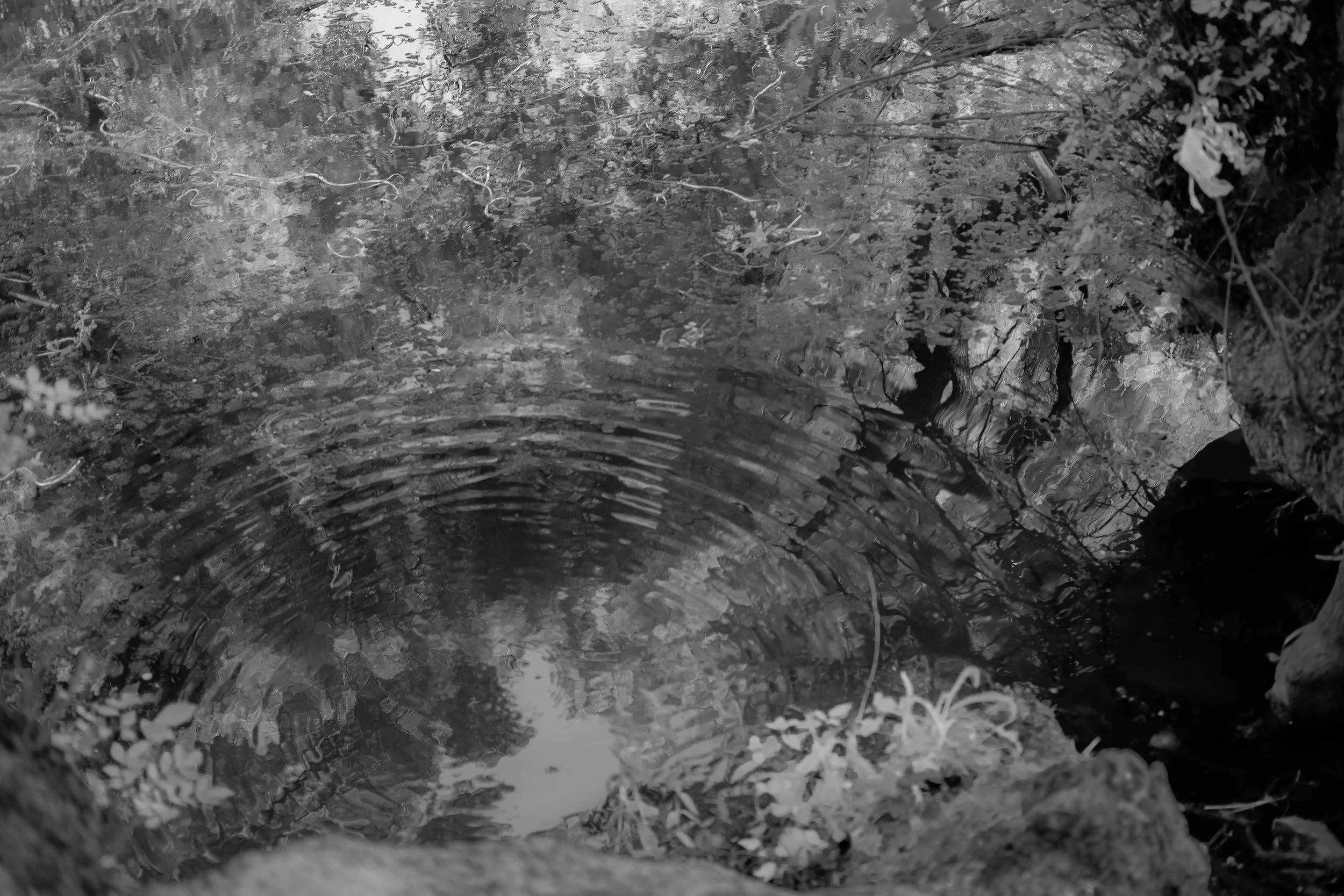
Growing up I was quite a shy, reserved kid, and to a certain extent I still am, but I spent a lot of time observing things around me, quietly noticing but barely interacting. With my family, we used to occasionally visit my grandparents in Meknes, and I was quite fascinated by their house, the many rooms and the way light came in from above, since it was a traditional house with no roof, I think that’s where my love for homes came from. I also spent a lot of my childhood surrounded by water and greenery, and I think over the years, those elements stayed with me.
- ما الذي جذب اهتمامك في محيطك وبيئتك وبيئة نشأتك؟
كنت طفلاً خجولاً ومتحفظاً إلى حد كبير أثناء نشأتي، وما زلت كذلك إلى حد ما، لكنني كنت أقضي الكثير من الوقت في مراقبة الأشياء من حولي، ألاحظها بهدوء دون أن أتفاعل معها تقريباً. كنا نزور أحياناً مع عائلتي أجدادي في مكناس، وكنت مفتوناً جداً بمنزلهم، بالغرف الكثيرة والطريقة التي كان الضوء يدخل بها من الأعلى، حيث كان منزلاً تقليدياً بلا سقف، وأعتقد أن حبي للمنازل نشأ من هناك. كما قضيت جزءاً كبيراً من طفولتي محاطاً بالمياه والخضرة، وأعتقد أن هذه العناصر بقيت معي على مر السنين.
- When was the first time you met photography? How did you feel when you met it?
The first time was probably through my dad's camera, the one he used to carry on holidays. I remember he'd buy a lot of disposable cameras and film, and I'd get curious about them, though I can't really remember if I ever actually took a photograph. But I started photographing on my own in 2016 when my parents got me my first phone. I remember the joy of being able to photograph beauty, of allowing myself to be taken by it, even if it was just a flower or a sunset. Over the years, photographing started to take a more serious route. I began thinking of photography as a tool to translate certain ideas I had, and I became interested in how memory shapes places and people, and what that looks like photographically. I became particularly drawn to the traces we leave behind, to the way our presence persists in the spaces we occupy, and to the way photographs themselves become traces of those traces.
- متى كانت المرة الأولى التي تعرفت فيها على التصوير الفوتوغرافي؟ كيف كان شعورك حينها؟
أعتقد أن المرة الأولى كانت من خلال كاميرا والدي، تلك التي كان يحملها معه في العطلات. أتذكر أنه كان يشتري الكثير من الكاميرات التي تستخدم لمرة واحدة والأفلام، وكنت أشعر بالفضول تجاهها، على الرغم من أنني لا أستطيع أن أتذكر حقًا ما إذا كنت قد التقطت صورة بالفعل. لكنني بدأت التصوير بنفسي في عام 2016 عندما اشترى لي والداي أول هاتف لي. أتذكر فرحة القدرة على تصوير الجمال، والسماح لنفسي بالانغماس فيه، حتى لو كان مجرد زهرة أو غروب شمس. على مر السنين، بدأ التصوير الفوتوغرافي يأخذ منحى أكثر جدية. بدأت أفكر في التصوير الفوتوغرافي كأداة لترجمة بعض الأفكار التي كانت لدي، وأصبحت مهتمة بكيفية تشكيل الذاكرة للأماكن والأشخاص، وكيف يبدو ذلك من الناحية الفوتوغرافية. انجذبت بشكل خاص إلى الآثار التي نتركها وراءنا، وإلى الطريقة التي يستمر بها وجودنا في المساحات التي نشغلها، وإلى الطريقة التي تصبح بها الصور الفوتوغرافية نفسها آثارًا لتلك الآثار.
- Tell us about current projects you have been working on. Is this story inspired out of personal reasons, or others? What are you most excited about in these projects?
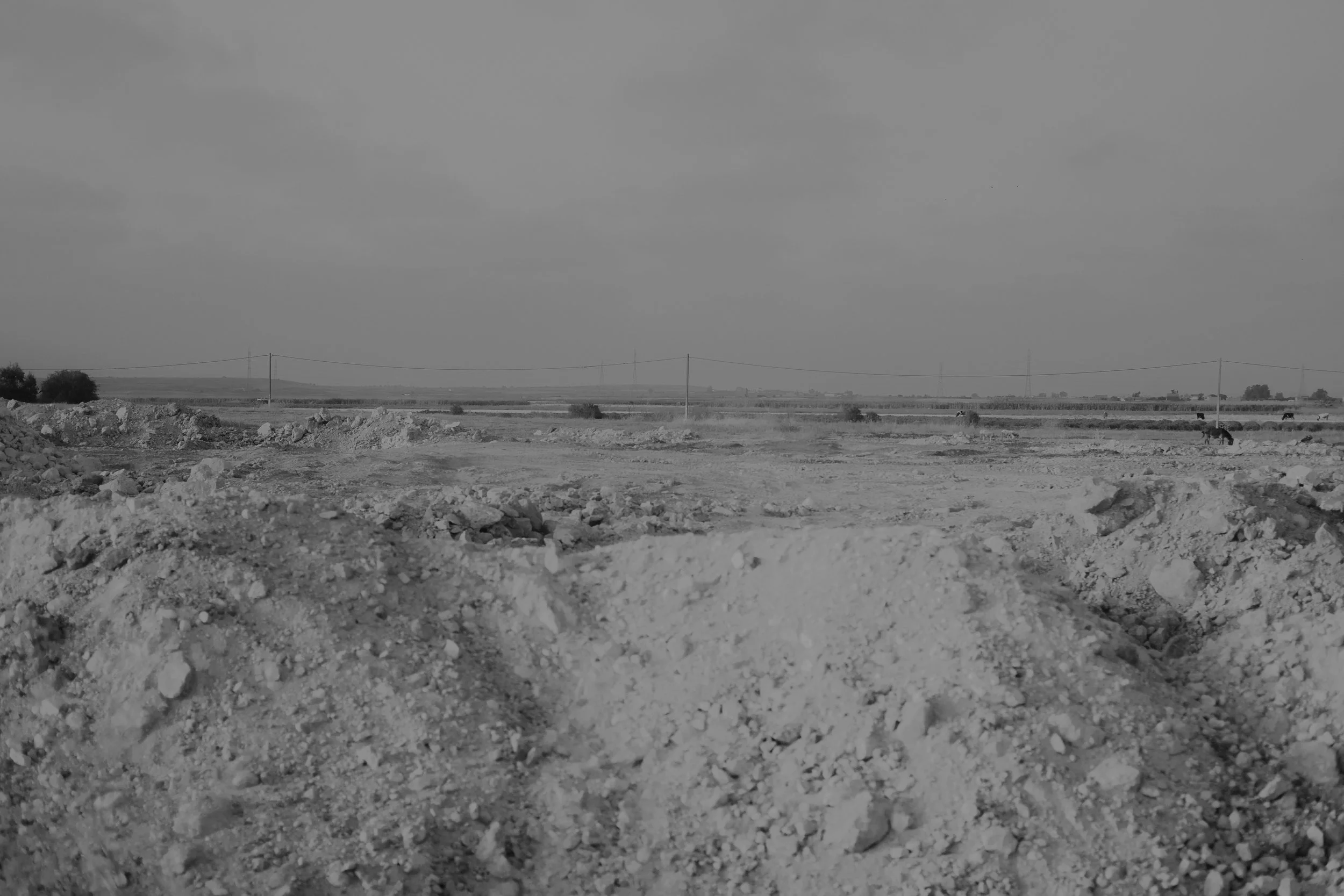
For the past year I've been working on a project called Home Away From Home, which I initially started while I was in residency in Marseille last spring. I was supposed to be working on something else, it was a project about how one experiences an unfamiliar place, experimenting with text and sound, and what a photograph might sound like through sonification. But when I got to the residency it had only been a couple of months since my dad passed away, and it was hard to work on something that felt disconnected from what I was going through. So I started making photographs as a way to deal with grief, and I tried to see these new places as places of refuge. In some ways I was lucky to be pulled out of my home city in those first months, because quite literally every corner of it reminded me of him.
The images I was making were quite abstract and often very detailed and so I started looking back at photographs I'd made while my dad was still alive, in places we used to visit together. I believe in the power of images, but sometimes they're not enough, and so when I couldn't photograph, I wrote, when I couldn't write, I lived, when I couldn't live, I observed.
From that residency I was able to make a zine, and now I'm in the process of creating an exhibition of the project, which is really exciting butI also find it a genuinely interesting challenge to move a body of work through different ways of displaying it, to watch how images exist in different contexts and how their meaning shifts.
- أخبرنا عن المشاريع الحالية التي تعمل عليها. هل استلهمت هذه القصة من أسباب شخصية أم من عوامل أخرى؟ ما الذي يثير حماسك أكثر في هذه المشاريع؟
على مدار العام الماضي، كنت أعمل على مشروع بعنوان «Home Away From Home»، والذي بدأته في الأصل أثناء إقامتي الفنية في مرسيليا في الربيع الماضي. كان من المفترض أن أعمل على شيء آخر، وهو مشروع حول كيفية تجربة المرء لمكان غير مألوف، والتجريب بالنص والصوت، وكيف يمكن أن تبدو الصورة الفوتوغرافية من خلال التحويل الصوتي. ولكن عندما وصلت إلى الإقامة الفنية، لم يكن قد مر سوى بضعة أشهر على وفاة والدي، وكان من الصعب العمل على شيء أشعر أنه منفصل عما كنت أمر به. لذا بدأت في التقاط الصور كوسيلة للتعامل مع الحزن، وحاولت أن أرى هذه الأماكن الجديدة كملاذات. في بعض النواحي، كنت محظوظة لأنني ابتعدت عن مدينتي في تلك الأشهر الأولى، لأن كل زاوية فيها كانت تذكرني به حرفياً.
كانت الصور التي كنت ألتقطها مجردة إلى حد ما وغالبًا ما كانت مفصلة جدًا، لذا بدأت أراجع الصور التي التقطتها عندما كان والدي على قيد الحياة، في الأماكن التي كنا نزورها معًا. أؤمن بقوة الصور، لكنها أحيانًا لا تكفي، لذا عندما لم أستطع التصوير، كتبت، وعندما لم أستطع الكتابة، عشت، وعندما لم أستطع العيش، راقبْتُ.
بفضل تلك الإقامة، تمكنت من إصدار مجلة صغيرة، وأنا الآن بصدد إعداد معرض لهذا المشروع، وهو أمر مثير للغاية، لكنني أجد أيضًا أن نقل مجموعة من الأعمال عبر طرق عرض مختلفة يمثل تحديًا مثيرًا للاهتمام حقًا، حيث يمكنني ملاحظة كيف تظهر الصور في سياقات مختلفة وكيف يتغير معناها.
- Tell us about your latest zine! How do you feel about it? What is it about and where can people buy it?
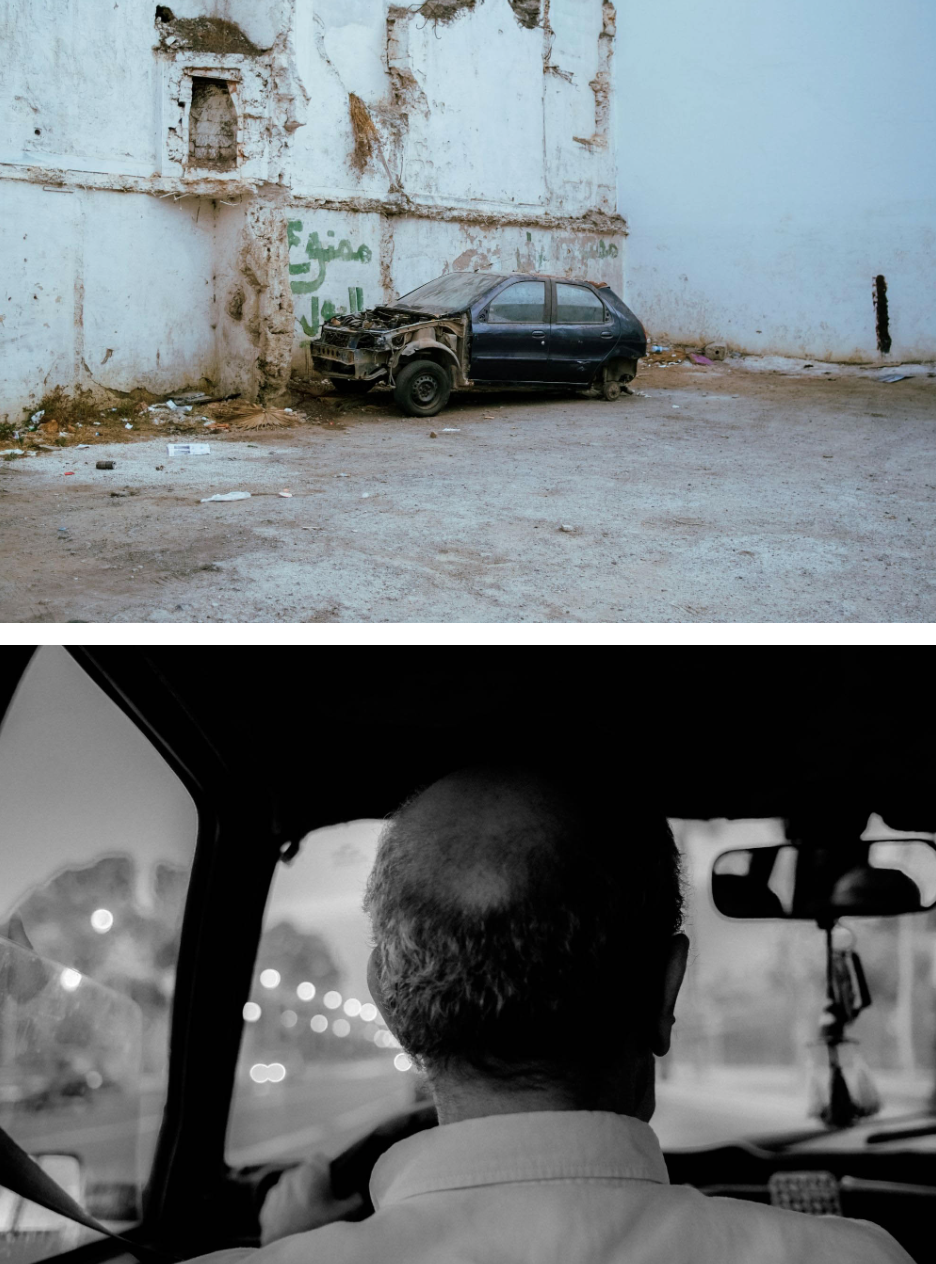
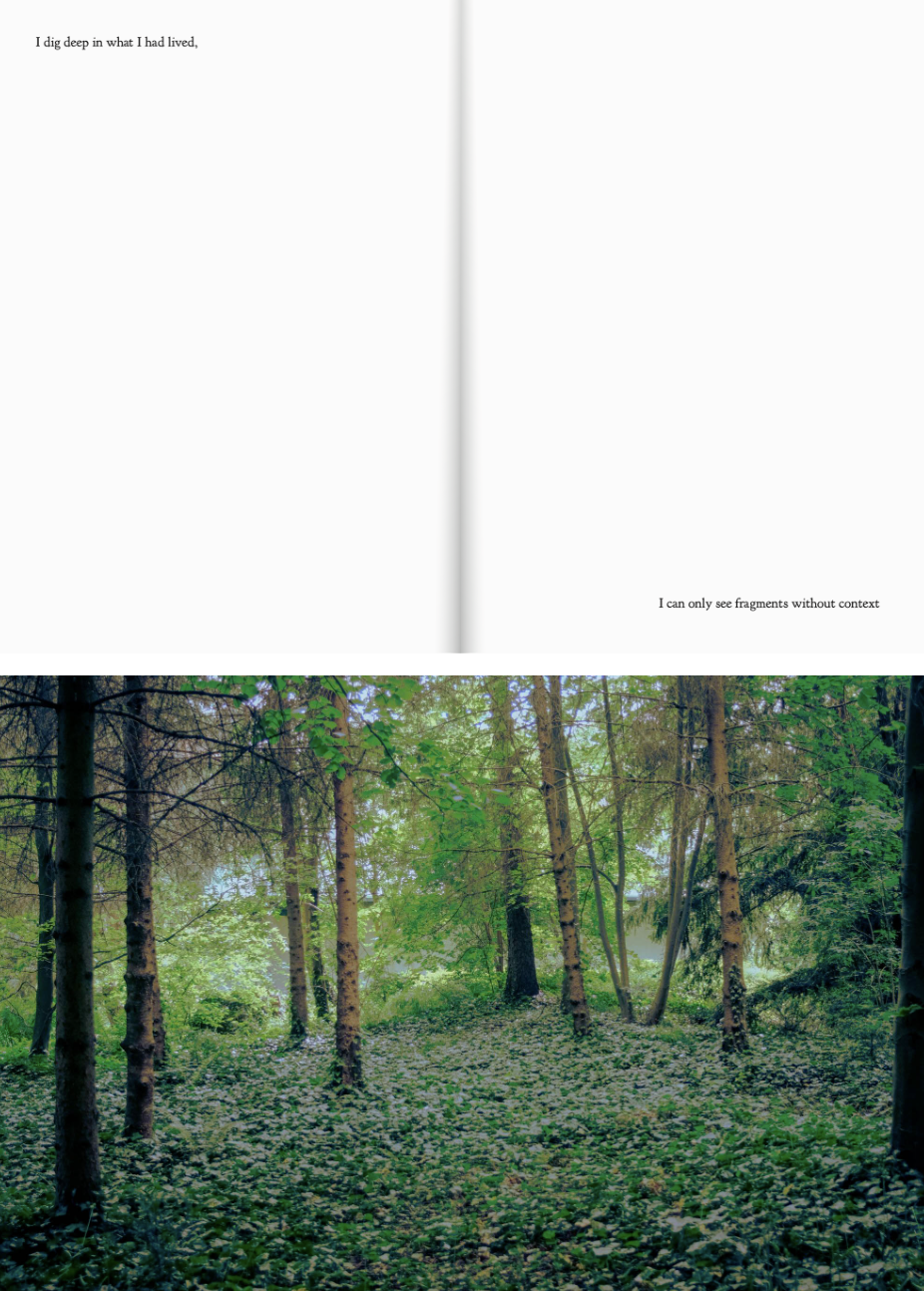
I loved making my first zine [Home Away from Home]. It was one of those small dreams I'd had for a while, and to finally do it, and around something as personal as loss, it just felt right. To make it in one of my favourite places on earth, in Marseille, surrounded by people I love, made it even more so.
It's a pocket-sized zine, printed all on recycled paper, so the cover fades over time depending on how much you flip through it. Just like a memory, if you visit it often enough, it starts to fade, or you begin to remember it slightly differently each time.
Some copies were available online for a while, but for now it's available at the bookstore of LE18, a multidisciplinary cultural space in Marrakech, Morocco.
- أخبرينا عن أحدث إصداراتك من المجلات المستقلة! ما هو شعورك تجاهه؟ ما هو موضوعه وأين يمكن للناس شراؤه؟
أحببت صنع مجلتي الأولى [Home Away from Home]. كان ذلك أحد الأحلام الصغيرة التي راودتني لفترة، وعندما تمكنت أخيرًا من تحقيقها، حول موضوع شخصي مثل الفقدان، شعرت أن ذلك كان الصواب. وصنعها في أحد الأماكن المفضلة لدي على وجه الأرض، في مرسيليا، محاطًا بالأشخاص الذين أحبهم، جعل الأمر أكثر روعة.
إنه مجلة صغيرة الحجم، مطبوعة بالكامل على ورق معاد تدويره، لذا يتلاشى غلافها بمرور الوقت اعتمادًا على عدد المرات التي تقلب فيها صفحاتها. تمامًا مثل الذكرى، إذا زرتها كثيرًا، تبدأ في التلاشي، أو تبدأ في تذكرها بشكل مختلف قليلاً في كل مرة.
كانت بعض النسخ متاحة عبر الإنترنت لفترة، لكنها متوفرة حاليًا في مكتبة LE18، وهي مساحة ثقافية متعددة التخصصات في مراكش، المغرب.
Link to Home Away from Home:
https://figuresphotography.com/stories/home-away-from-home-hiba-dahibi/
- How did you find your visual literacy? Why are you attracted to certain images more than others?
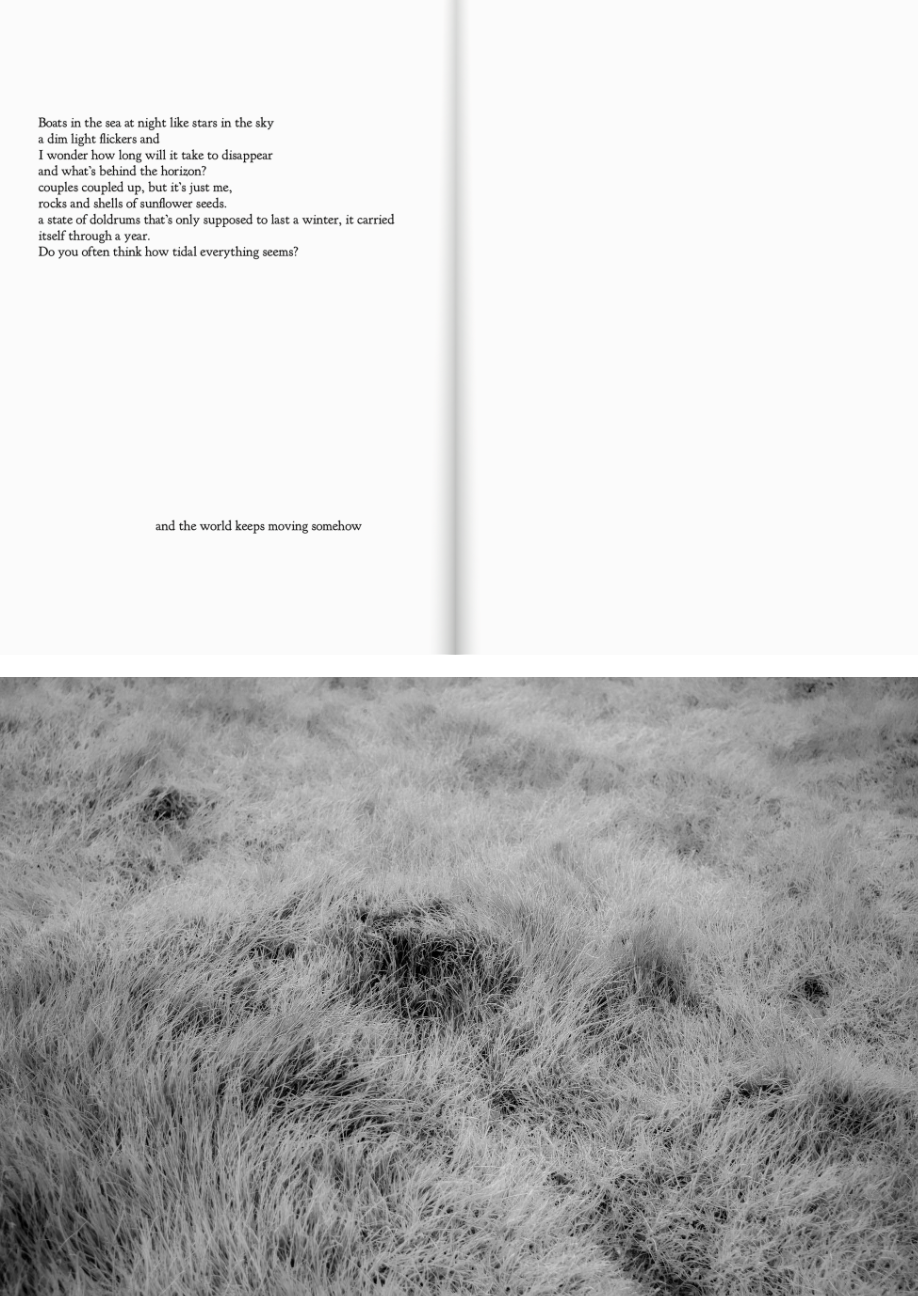
I think it came through a lot of observation, understanding which elements I was most drawn to visually, but also through consuming other artists' work, reading about them, and of course through making photographs whenever I felt the urge to. Sometimes I still don't understand the images I make, and I don't think I'm supposed to. But I'm really drawn to images that carry a certain intimacy and nostalgia, images that also take you somewhere you've never been, that make you question somethings or ideas, or that help you understand something about yourself.
Certain things keep coming back in my work without me always choosing them, bodies of water, greenery, the quiet weight of a place. And I think my photography reflects a part of my personality because of that. Humans are interesting but sometimes hard to approach, and so I turned my gaze toward the things they leave behind, in an attempt to understand them and myself.
- كيف اكتسبتِ حسك البصري؟ لماذا تنجذبين إلى صور معينة أكثر من غيرها؟
أعتقد أن ذلك جاء من خلال الكثير من الملاحظة، وفهم العناصر التي تجذبني بصريًّا أكثر من غيرها، ولكن أيضًا من خلال الاطلاع على أعمال الفنانين الآخرين، والقراءة عنهم، وبالطبع من خلال التقاط الصور كلما شعرتُ بالحاجة إلى ذلك. أحيانًا ما زلت لا أفهم الصور التي ألتقطها، ولا أعتقد أنني مطالب بذلك. لكنني منجذبة حقًا إلى الصور التي تحمل قدرًا من الحميمية والحنين إلى الماضي، الصور التي تنقلك أيضًا إلى مكان لم تزره من قبل، والتي تجعلك تتساءل عن أشياء أو أفكار، أو التي تساعدك على فهم شيء ما عن نفسك.
هناك أشياء معينة تتكرر في أعمالي دون أن أختارها دائمًا، مثل المسطحات المائية، والمساحات الخضراء، والهدوء الذي يغمر المكان. وأعتقد أن صوري الفوتوغرافية تعكس جزءًا من شخصيتي بسبب ذلك. البشر مثيرون للاهتمام ولكن يصعب أحيانًا الاقتراب منهم، ولذلك وجهت نظري نحو الأشياء التي يتركونها وراءهم، في محاولة لفهمهم وفهم نفسي.
- Imagine meeting someone who is picking up a camera for the first time. What do you tell them?
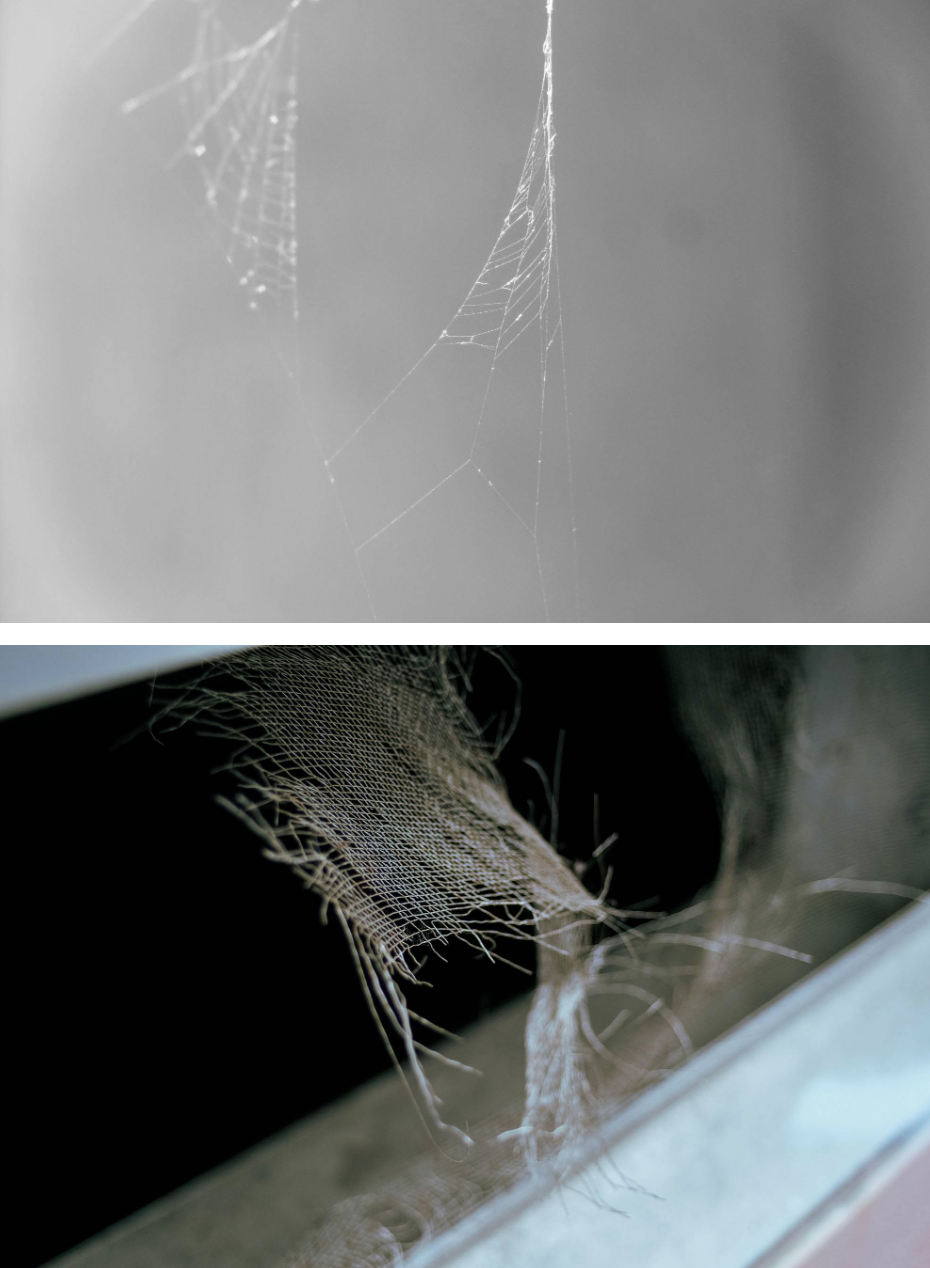
I would tell them to make as many photographs as you can. With time you'll start to understand what kind of work moves you. Consume other people's work, but not blindly, allow yourself to study different forms of photography, and experiment with whatever ideas come to you. It's really important that you give yourself permission to do so.
- تخيل أنك تقابل شخصًا يمسك بكاميرا للمرة الأولى. ماذا ستقول له؟
سأقول له: التقط أكبر عدد ممكن من الصور. مع مرور الوقت، ستبدأ في فهم نوع الأعمال التي تثير مشاعرك. اطلع على أعمال الآخرين، لكن لا تفعل ذلك بشكل أعمى؛ اسمح لنفسك بدراسة أشكال التصوير الفوتوغرافي المختلفة، وجرب أي أفكار تخطر ببالك. من المهم جدًا أن تسمح لنفسك بالقيام بذلك.